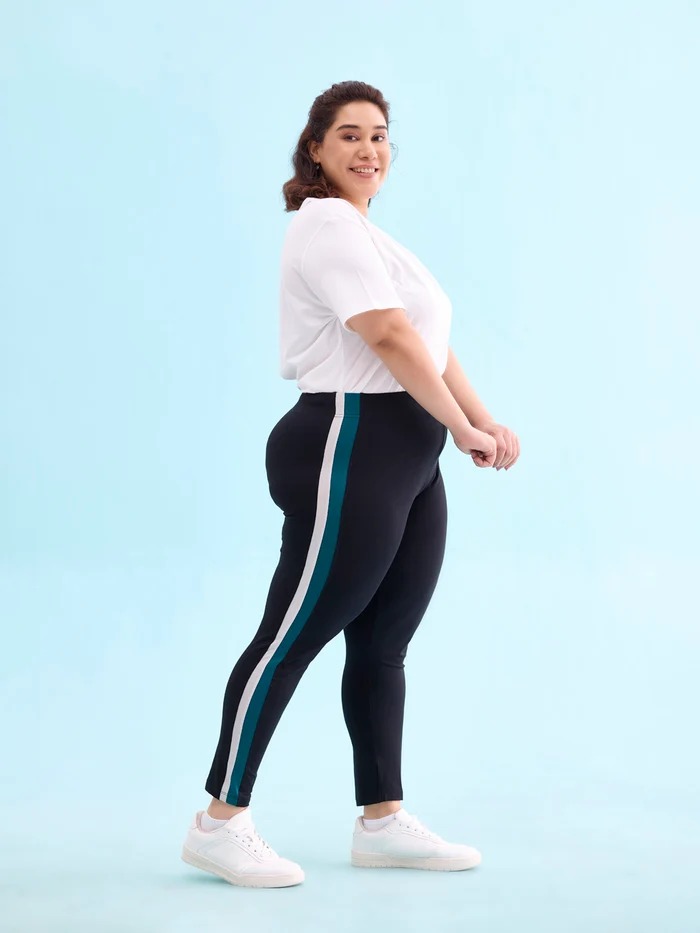
Leggings are a versatile wardrobe essential that can be styled for everyday errands, workouts, travel, lounging, and casual outings. Available in a variety of colours, prints, and fabrics, they offer comfort and flexibility for different occasions. However, frequent washing, harsh detergents, excessive heat, and prolonged exposure to sunlight can gradually cause colours to lose their vibrancy.
If you want your favourite leggings to look fresh for longer, a few simple laundry and storage habits can make a difference. Whether you prefer classic black styles, colourful designs, or printed options, caring for leggings for women properly helps maintain their appearance and extend their usable life.
In this guide, we will explore practical ways to prevent fading, common laundry mistakes to avoid, and tips for keeping your leggings looking their best.
1. Read the Fabric Care Label Before Washing
The first step towards preventing fading is understanding the fabric and its care requirements. Leggings may be made from cotton, polyester, nylon, elastane, or blends of these materials. Each fabric can respond differently to washing, heat, and detergents.
Always check the care label before washing a new pair. It may specify the recommended water temperature, washing method, drying instructions, and whether bleaching or ironing should be avoided.
Following these instructions helps prevent unnecessary wear and colour loss. For example, some stretch fabrics can lose their shape when exposed to excessive heat, while delicate materials may require a gentler washing cycle.
Avoid assuming that every pair of leggings can be washed in the same way. When in doubt, follow the manufacturer's instructions.
2. Wash Leggings Inside Out
Turning leggings inside out before washing is a simple way to help preserve their colour. During a wash cycle, garments rub against one another and the washing machine drum. This friction can gradually affect the outer surface of the fabric.
When leggings are turned inside out, their visible surface experiences less direct friction from other garments. This can be particularly useful for dark colours, printed designs, and styles with decorative finishes.
Before placing them in the washing machine, fasten any zippers or hooks on other garments in the load that could snag the fabric. Avoid washing leggings alongside rough items such as heavily textured towels or clothing with abrasive embellishments.
This small adjustment to your laundry routine can help keep leggings looking newer for longer.
3. Use Cold or Cool Water
Hot water can contribute to colour loss in some fabrics, particularly when garments are washed frequently. Cold or cool water is often a suitable option for everyday laundry when the care label permits it.
Lower-temperature washing can help reduce the stress placed on fabric dyes while also limiting unnecessary heat exposure. It may also help preserve the stretch and shape of leggings made with elastane or other flexible fibres.
Choose a gentle or delicate washing cycle if recommended by the manufacturer. Avoid using excessively long or aggressive cycles unless the garment's care instructions require them.
Remember that water temperature alone does not determine how well clothing is cleaned. The right detergent, washing method, and load size also matter.
4. Choose a Mild, Colour-Safe Detergent
The detergent you use can influence how well colours remain vibrant over repeated washes. Strong cleaning products, excessive detergent, or unsuitable bleaching agents may damage dyes or fibres.
Choose a detergent suitable for the garment's fabric and colour. Products labelled for coloured clothing may be useful for maintaining darker and brighter shades.
Use the recommended quantity rather than adding extra detergent in the belief that it will clean better. Too much detergent can leave residue on fabric and may require additional rinsing.
Avoid chlorine bleach on coloured leggings unless the care label explicitly permits it. If you need to treat a stain, choose a method compatible with the fabric and test it on an inconspicuous area first.
For leggings for women worn frequently, a consistent and gentle washing routine is usually more useful than repeatedly using intensive cleaning products.
5. Separate Dark, Light, and Bright Colours
Sorting clothes before washing helps prevent colour transfer and protects the appearance of different garments.
Wash black and other dark leggings with similar colours. Keep white and pale-coloured clothing separate, especially when washing new garments that may release excess dye. Bright colours may also need separate washing if the care label or previous washes suggest colour bleeding.
Avoid overcrowding the washing machine. Clothes need sufficient space to move through the water and rinse properly. An overloaded machine can increase friction and may prevent detergent from being rinsed out effectively.
If you are washing a new pair of brightly coloured leggings for the first time, consider washing it separately according to the care label.
6. Avoid Excessive Washing
Washing removes sweat, dirt, and everyday residue, but repeated laundering also exposes fabric to friction and cleaning agents. Washing leggings more frequently than necessary may contribute to gradual fading and fibre wear.
For leggings used during low-intensity daily activities, assess whether they need a full wash after each wear based on perspiration, dirt, and the garment's intended use. Workout leggings, however, should generally be washed after each sweaty session for hygiene.
Do not leave sweaty or damp leggings bundled together for extended periods. Allow them to air out if they cannot be washed immediately, and follow the care label for cleaning.
The goal is not to avoid washing but to clean garments appropriately without unnecessary wear.
7. Air-Dry Leggings Whenever Possible
Drying methods are just as important as washing methods when it comes to preserving colour. High heat from a tumble dryer can affect some dyes and elastic fibres, potentially contributing to fading, shrinkage, or loss of stretch.
When the care label allows it, air-drying is a useful alternative. Gently reshape the leggings after washing and hang or lay them flat according to the fabric's requirements.
Avoid placing coloured leggings in strong, direct sunlight for extended periods. Ultraviolet exposure can gradually fade dyes, particularly in darker garments.
A shaded, well-ventilated location is generally a better choice for drying coloured clothing. Make sure the leggings are fully dry before storing them to prevent unwanted odours.
8. Treat Stains Carefully
Stains can tempt you to scrub fabric aggressively or use strong cleaning products. However, rough treatment can damage fibres and affect the colour around the stained area.
Address stains as soon as practical by following the care label's recommendations. Blot the affected area gently rather than rubbing it forcefully. Use a fabric-appropriate stain remover and test it on a hidden section first.
Avoid combining different cleaning chemicals, as this can create dangerous reactions. Do not apply bleach or concentrated stain removers to coloured leggings without confirming that the product is safe for the fabric.
Gentle, targeted treatment can help remove stains while reducing unnecessary damage to the rest of the garment.
9. Store Leggings Properly
Good storage habits help protect leggings between wears. Keep them in a clean, dry wardrobe away from prolonged sunlight, which can fade exposed areas over time.
Fold leggings neatly or hang them in a way that does not stretch the waistband or distort the fabric. Avoid storing them while damp, and keep them away from rough surfaces that may cause snags.
If you own leggings in several colours, organise them so that they are easy to find without repeatedly pulling at the fabric. Proper storage will not reverse existing fading, but it can help protect garments from avoidable damage.
10. Choose Quality Fabrics and Follow Consistent Care
Fabric quality, dyeing methods, and construction can all influence how leggings respond to repeated washing. However, no fabric or garment is completely immune to fading.
When purchasing leggings, review the material composition, care instructions, and product information. Choose styles suited to how you intend to wear them, whether for exercise, everyday outfits, or relaxed occasions.
Once you find a pair you enjoy wearing, follow a consistent care routine: wash at the recommended temperature, use an appropriate detergent, avoid unnecessary heat, and store the garment correctly.
These habits can help maintain the appearance of leggings for women while allowing you to enjoy their comfort and versatility for longer.
Conclusion
Preventing leggings from fading largely comes down to gentle and consistent garment care. Washing them inside out, separating colours, choosing a suitable detergent, avoiding excessive heat, and drying them away from strong sunlight can help preserve their original appearance.
It is also important to follow the fabric care label, treat stains carefully, and avoid washing garments more aggressively than necessary. While some colour change is normal with regular use, these practical steps can reduce avoidable fading and help extend the life of your favourite leggings.
With the right care routine, you can keep your wardrobe looking fresh and continue styling your leggings for everyday activities, workouts, and casual outings.