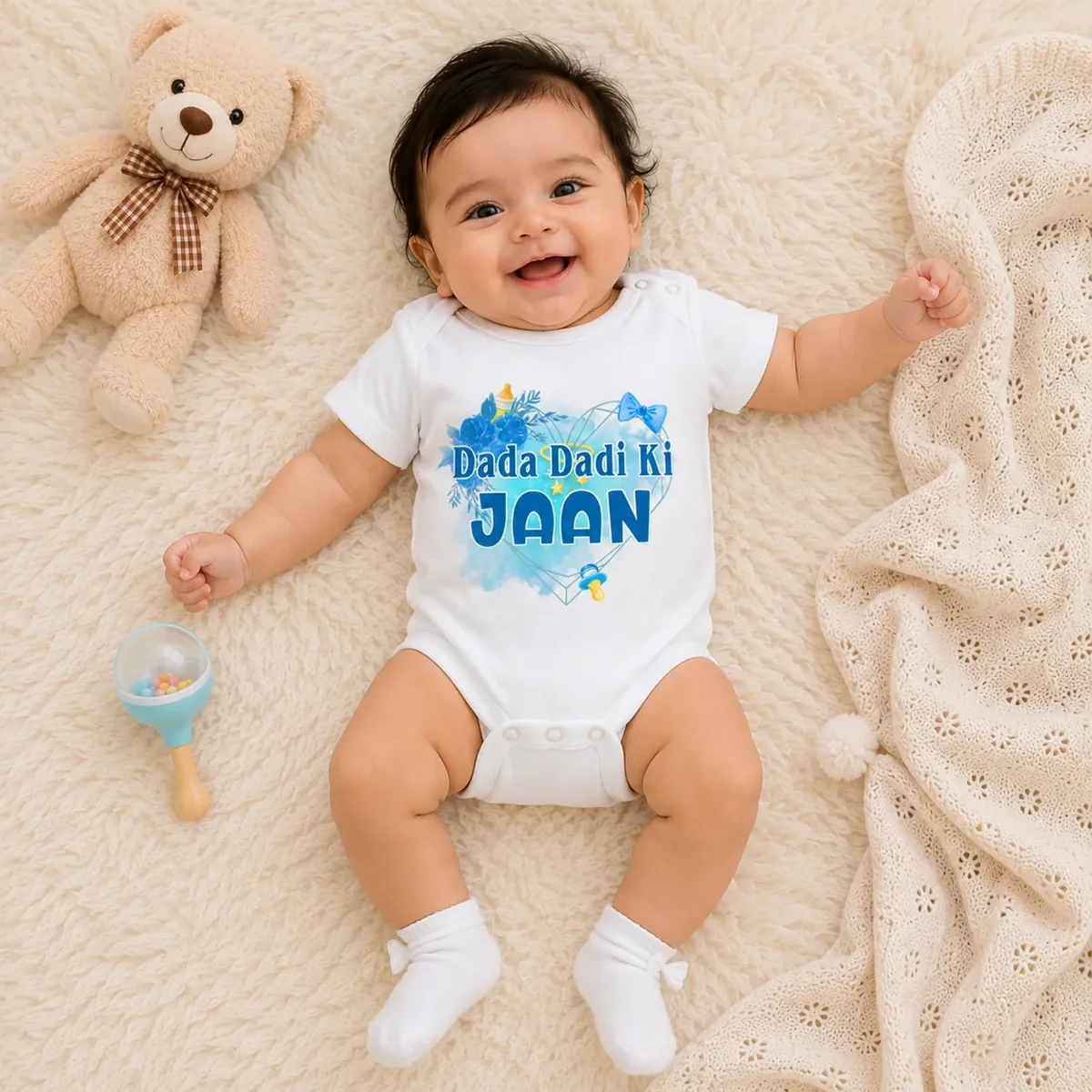
Choosing comfortable clothing for a baby is about more than finding an attractive design. Babies spend much of their day sleeping, crawling, playing, feeding, and being carried. Their clothing should support these activities without causing unnecessary discomfort. This is why cotton baby rompers are a popular choice among parents looking for practical everyday outfits.
However, not all baby rompers offer the same level of comfort, convenience, or durability. Fabric quality, stitching, size, closures, neckline design, and ease of washing all influence how suitable a romper is for daily use.
Whether you are shopping for a newborn or an active 9–12-month-old, choosing the right baby romper requires attention to a few important details. This guide explains what to look for when buying cotton baby rompers, how to compare different styles, and how to select options that offer good value for everyday wear.
Why Choose Cotton Baby Rompers for Everyday Wear?
Cotton is widely used in baby clothing because it is generally soft, breathable, and comfortable against the skin. Since babies may wear the same outfit for several hours, selecting an appropriate fabric can make everyday dressing easier.
Here are some reasons parents consider cotton baby rompers for regular use.
1. Softness Against Delicate Skin
Baby skin can be sensitive to rough textures, stiff seams, and poorly finished fabric. Soft cotton can provide a comfortable feel without the scratchiness sometimes associated with coarse materials.
When shopping for cotton baby clothes, check the inside of the garment. The fabric should feel smooth, and the stitching should not create uncomfortable raised areas.
For everyday clothing, look for:
Soft fabric with a smooth surface.
Flat or well-finished internal seams.
Comfortable neck and leg openings.
Labels that do not scratch the skin.
2. Breathable Fabric for Daily Activities
Babies spend time in different environments throughout the day, including bedrooms, living rooms, outdoor spaces, and air-conditioned rooms.
Cotton allows air to circulate through the fabric, making it a practical option for regular clothing. Lightweight cotton rompers can be particularly useful during warmer months.
However, fabric thickness still matters. A heavy cotton romper may feel too warm in summer, while a lightweight design may need an additional layer during cooler weather.
3. Convenient One-Piece Dressing
One-piece baby rompers combine a top and bottom into a single outfit. Parents do not need to coordinate separate shirts and bottoms every time they dress their baby.
This makes baby rompers useful for:
Everyday home wear.
Playtime and crawling.
Short family outings.
Daytime naps.
Casual visits to relatives.
A well-designed romper also helps keep the baby's tummy covered during movement.
4. Easy to Wash and Reuse
Everyday baby clothing needs frequent washing because of feeding spills, drooling, diaper leaks, and general mess.
Cotton rompers are generally easy to maintain when the care instructions are followed. Parents should check whether the garment can be machine washed and whether it requires special washing conditions.
Choosing durable fabric and well-constructed stitching can also help a romper maintain its appearance through repeated washing.
8 Important Factors to Consider When Buying Cotton Baby Rompers
The best baby romper is not necessarily the most expensive or the one with the most attractive print. It should match your baby's age, activity level, climate, and daily routine.
Consider these eight factors before purchasing.
1. Check the Cotton Fabric Quality
Fabric quality should be your first consideration when buying cotton baby rompers.
Look beyond the product title and examine the material details. Some products may be described as cotton without clearly explaining the fabric composition.
Check for:
Clearly mentioned cotton content.
A soft and comfortable texture.
Suitable fabric thickness.
Good stitching and finishing.
Washing and care instructions.
If you prefer natural-fibre clothing, check the product label for 100% cotton rather than assuming every cotton-labelled garment has the same composition.
For everyday use, lightweight cotton is often a practical choice because it offers comfort without adding unnecessary bulk.
2. Select the Correct Size
Choosing the right size is essential. A romper that is too tight can restrict movement, while an oversized outfit may become uncomfortable during crawling and playtime.
Baby clothing sizes are commonly organised by age, but babies grow at different rates. Therefore, age should be treated as a general guide rather than an exact measurement.
Before ordering, check:
Baby's current age.
Chest measurement.
Length of the garment.
Brand-specific size chart.
Room for comfortable movement.
For example, if your baby is approaching the upper end of a particular age range, compare the next size with the baby's actual measurements.
Avoid buying extremely oversized rompers just to extend their usage. The neckline, sleeves, and leg openings should still fit comfortably.
3. Choose a Convenient Closure Design
Closures are particularly important because babies need frequent diaper changes.
Different romper styles offer different fastening options.
Snap-button rompers: These are practical for everyday use, especially when buttons are positioned along the bottom for diaper access.
Front-button rompers: These can make dressing easier because parents do not need to pull the entire garment over the baby's head.
Shoulder-opening rompers: These may offer additional room around the neckline, making dressing and undressing more convenient.
Before purchasing, check that:
Buttons are securely attached.
Fasteners are easy to operate.
There are no sharp or rough edges.
The closure does not press against the baby's skin.
For newborns and younger babies, convenient diaper access can save considerable time during daily changes.
4. Consider the Neckline and Sleeve Design
The neckline should provide enough room for comfortable dressing without being excessively loose.
A tight neckline may make dressing uncomfortable, while a poorly fitted opening may slip around the shoulders.
Sleeve length should also match the weather and intended use.
Half-sleeve rompers: Suitable for warm indoor environments and summer days.
Full-sleeve rompers: Useful when additional arm coverage is needed.
Sleeveless rompers: A practical option for particularly warm conditions, depending on the baby's environment.
Parents should also consider whether the sleeve openings and armholes allow unrestricted movement.
5. Look for Comfortable Stitching
Stitching quality affects how a romper feels and how long it lasts.
Even good fabric can become uncomfortable if the garment has rough seams, loose threads, or poorly finished edges.
Inspect the following details:
Smooth stitching around the neckline.
Secure seams around the legs.
Properly finished sleeve edges.
No loose threads inside the garment.
Strong stitching around buttons and snap fasteners.
Since everyday baby clothes are washed frequently, durable construction is an important buying consideration.
6. Choose Practical Colours and Prints
Baby rompers are available in solid colours, animal prints, cartoon patterns, floral designs, and many other styles.
While appearance is a personal preference, practical colours and prints can make everyday clothing easier to use.
Consider:
Light colours for a simple everyday look.
Printed designs for hiding minor stains.
Neutral shades for easy outfit coordination.
Playful patterns for casual outings and photographs.
Choose prints made with appropriate textile printing methods and check that the fabric remains soft and comfortable.
7. Consider the Weather and Indoor Temperature
The right romper depends partly on where and when your baby will wear it.
During summer, lightweight cotton baby rompers with half sleeves or sleeveless designs can be practical.
During cooler months, parents may prefer full-sleeve cotton rompers combined with suitable additional layers.
For air-conditioned rooms, consider the indoor temperature rather than relying only on the outdoor weather.
Avoid overdressing babies. Check their comfort regularly and adjust clothing according to the environment.
8. Check Washing and Maintenance Requirements
Everyday baby clothing should not require complicated maintenance.
Before purchasing, read the care instructions to understand whether the romper can be machine washed, whether it needs gentle washing, and whether special drying instructions apply.
Useful maintenance features include:
Machine-washable fabric.
Colourfast prints.
Durable stitching.
Fabric that maintains its shape.
Easy-to-follow care instructions.
Following the recommended washing instructions can help reduce shrinkage, fading, and unnecessary fabric damage.
Different Types of Baby Rompers for Everyday Use
Not every romper is designed for the same purpose. Understanding the available styles can help parents select clothing that matches their daily routine.
Half-Sleeve Cotton Baby Rompers
Half-sleeve rompers are useful for warm weather and comfortable indoor dressing.
They offer arm coverage without the additional fabric of full sleeves. Parents looking for simple summer baby rompers can consider this style.
Full-Sleeve Cotton Baby Rompers
Full-sleeve designs provide more coverage and can be useful during cooler days or in air-conditioned environments.
They can also be layered with other clothing when temperatures change.
Sleeveless Baby Rompers
Sleeveless rompers are suitable for warm conditions when additional arm coverage is unnecessary.
Check the armhole fit carefully to ensure that the fabric does not rub against the baby's underarms.
Printed Baby Rompers
Printed rompers combine everyday practicality with attractive designs. They are available in colourful patterns, playful graphics, and character-inspired styles.
Parents can choose prints that match their preferences while prioritising fabric quality and construction.
Newborn Baby Rompers
Newborn rompers should prioritise easy dressing, comfortable neck openings, and convenient diaper access.
Soft fabric and simple closures are especially useful during the early months when babies require frequent outfit changes.
How to Choose the Right Baby Romper by Age
Babies have different clothing requirements as they grow. A romper suitable for a newborn may not be the most convenient option for a baby who has started crawling.
0–3 Months
During the newborn stage, comfort and easy dressing should be the main priorities.
Look for:
Soft cotton fabric.
Easy-access closures.
Comfortable neck openings.
Minimal decorative elements.
Appropriate newborn sizing.
Avoid complicated designs that make frequent changing difficult.
3–6 Months
Babies in this stage begin moving their arms and legs more actively.
Choose rompers that provide enough room around the chest, shoulders, and legs. Convenient bottom openings are still useful for regular diaper changes.
6–9 Months
Many babies begin rolling, sitting, and preparing to crawl during this period.
Flexible construction and comfortable leg openings become increasingly important.
Look for rompers that allow natural movement without riding up or becoming restrictive.
9–12 Months
Older babies may crawl, stand with support, and move around more frequently.
For this stage, prioritise:
Comfortable shoulder and chest fit.
Durable stitching.
Flexible leg openings.
Easy-to-clean fabric.
Designs that allow active movement.
Always check the individual size chart because age-based sizing differs between brands.
Cotton Baby Rompers vs Other Fabric Options
Cotton is a popular option, but parents may also come across polyester blends and other fabric choices.
Cotton: Generally offers a soft feel and good breathability. It is a practical choice for everyday baby clothing.
Polyester: Often offers durability and wrinkle resistance. However, it may feel less breathable than lightweight cotton, depending on the fabric construction.
Cotton-polyester blends: Combine properties of both fibres. Their comfort and performance depend on the actual composition and fabric quality.
For babies who wear rompers for extended periods, fabric feel, breathability, and fit should be considered together rather than choosing based on the material name alone.
How Much Should You Spend on Everyday Baby Rompers?
Price is another important factor when shopping for baby clothing. Babies grow quickly, and everyday outfits may need frequent replacement.
Rather than purchasing only expensive designs, focus on the overall value of the garment.
Consider these factors when comparing prices:
Fabric quality: Check the actual material composition and texture instead of relying only on product descriptions.
Construction: Strong stitching, secure closures, and good finishing can make a romper more suitable for repeated use.
Design: Simple everyday styles may offer better practical value than heavily decorated outfits.
Pack options: Multi-piece sets can be economical when the individual designs, fabric quality, and sizes meet your requirements.
Maintenance: Easy-care clothing can save time when regular washing is necessary.
A sensible approach is to maintain a small collection of everyday rompers and add extra pieces based on your baby's changing size and clothing needs.
Common Mistakes to Avoid When Buying Baby Rompers
Even when parents know what fabric they prefer, certain buying mistakes can lead to uncomfortable or impractical purchases.
Buying Based Only on Age
Two babies of the same age may have different body measurements. Always compare the size chart before ordering.
Ignoring Fabric Composition
A product described as cotton may contain a blend of different fibres. Read the material details carefully.
Choosing Fashion Over Function
Attractive prints and decorative details can make a romper look appealing, but they should not come before comfort, secure stitching, and convenient closures.
Purchasing Tight-Fitting Designs
Babies need enough room to move their arms and legs naturally. Avoid garments that pull around the chest, shoulders, thighs, or diaper area.
Ignoring Washing Instructions
Frequent washing can affect fabric shape, colour, and stitching. Follow the manufacturer's care recommendations.
Buying Too Many Outfits in One Size
Babies can outgrow clothing quickly. Instead of purchasing a large quantity in advance, buy according to current measurements and immediate requirements.
Why Consider KayoBaby for Everyday Baby Clothing?
When choosing baby clothing, parents often look for a combination of comfort, attractive designs, practical sizing, and everyday usability.
KayoBaby offers baby and kids' clothing options designed for different age groups and family preferences. When exploring its baby clothing collection, parents can compare available designs, check size information, and select outfits according to their child's needs.
For everyday use, prioritise cotton fabric details, comfortable fits, convenient closures, and easy-care construction when evaluating any product.
Whether you are shopping for newborn clothing, casual baby outfits, or comfortable rompers for growing babies, selecting the right combination of fabric and fit can make everyday dressing more convenient.
FAQs About Cotton Baby Rompers
1. Are cotton baby rompers good for everyday wear?
Yes, cotton baby rompers can be a practical choice for everyday wear because cotton is generally soft and breathable. Choose lightweight fabric, comfortable stitching, and a suitable fit for your baby's age and environment.
2. Which cotton is best for baby rompers?
Soft, breathable cotton with a comfortable finish is a good option for everyday baby clothing. Check the fabric composition, thickness, and stitching quality before purchasing. If you prefer natural fibres, look for clearly labelled 100% cotton products.
3. How many baby rompers should I buy?
The number depends on how frequently you wash clothes and how often your baby needs outfit changes. Starting with around 5–7 everyday rompers can be practical for many families, although babies with frequent spills or diaper leaks may need more.
4. Should I buy cotton baby rompers in a larger size?
A little room for growth can be helpful, but the romper should not be excessively loose. Check the chest, length, neckline, and leg openings to ensure a comfortable fit.
5. Are cotton rompers suitable for newborn babies?
Yes, appropriately sized cotton rompers can be suitable for newborns. Choose soft fabric, simple closures, comfortable neck openings, and designs that make diaper changes easier.
6. Can cotton baby rompers be machine washed?
Many cotton baby rompers can be machine washed, but always follow the manufacturer's washing instructions. Using a suitable gentle wash cycle and avoiding excessive heat can help maintain the garment's quality.
7. Are full-sleeve or half-sleeve baby rompers better?
Neither is universally better. Half-sleeve rompers are useful in warmer conditions, while full-sleeve designs provide additional coverage during cooler weather. Choose according to the room temperature, climate, and baby's comfort.
8. What should I check before buying baby rompers online?
Check the fabric composition, size chart, sleeve style, closure design, product images, washing instructions, and return policy. Reading the product details carefully can help you select a romper that suits your baby's everyday needs.
Conclusion
Choosing the right cotton baby rompers involves balancing comfort, fabric quality, fit, convenience, and durability. Soft cotton, secure stitching, easy closures, and appropriate sizing can make a significant difference in how practical an outfit is for everyday use.
Before purchasing, consider your baby's age, current measurements, daily activities, and the weather in your area. Avoid choosing clothing based only on appearance or price. Instead, look for well-designed rompers that make dressing, changing, and regular washing easier.
Explore the baby clothing options from KayoBaby and choose comfortable baby rompers that suit your child's everyday clothing needs.