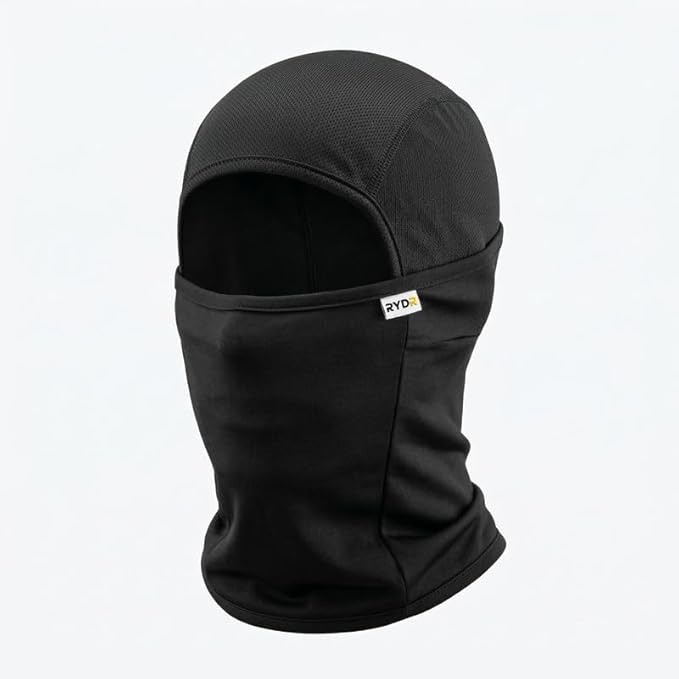
Festive seasons often bring exciting road trips, family visits, late-evening outings, and long rides through busy streets. For motorcycle riders, these journeys can also mean dealing with dust, wind, changing temperatures, and traffic pollution. Preparing the right riding gear can make these trips more comfortable while helping riders stay focused on the road. One useful accessory to consider is a balaclava, which provides coverage for the head and neck and can be worn beneath a compatible motorcycle helmet.
Whether you are commuting across the city or travelling to meet loved ones during the festive season, choosing suitable riding accessories can improve your overall riding experience. RYDR is a motorcycle helmet brand that focuses on safety, comfort, and contemporary design. Riders exploring its range of accessories can consider how a suitable balaclava fits into their regular riding routine.
Why a Balaclava Is Useful for Motorcycle Riders
A balaclava is a fabric head covering designed to cover some or most of the head, neck, and face, depending on its style. Motorcycle riders often wear one beneath their helmets for additional coverage and comfort.
During festive journeys, riders may travel at different times of the day and encounter varying road conditions. A suitable balaclava can help reduce direct exposure to wind and dust around covered areas. It may also help manage sweat and reduce friction between the skin and helmet padding, depending on the material and fit.
However, a balaclava is not a replacement for a certified motorcycle helmet, eye protection, or other essential safety equipment. Its primary purpose is to provide an additional layer of coverage and comfort.
How a Balaclava Supports Festive Season Journeys
Festive travel can involve crowded roads, longer journeys, and frequent stops. A comfortable riding setup can help make these trips more manageable.
1. Helps Manage Dust and Wind Exposure
Road dust and moving air can become uncomfortable during motorcycle rides, particularly on busy routes. A balaclava that covers the nose, cheeks, and neck may help reduce direct exposure to some airborne dust and wind.
It should not be treated as a certified pollution filter or respiratory protective device. Riders travelling through heavily polluted areas should not rely on ordinary fabric coverings for protection against harmful airborne particles.
2. Adds Comfort Beneath the Helmet
Helmet padding can sometimes rub against the skin during longer rides. Depending on the fabric and fit, a balaclava may provide a smooth layer between the skin and helmet lining.
Choose a design that fits closely without bunching around the forehead, ears, or neck. Excess fabric can create pressure points and make the helmet less comfortable.
3. Supports Temperature Comfort
Early-morning and late-evening rides may feel cooler than daytime journeys. A balaclava that covers the head and neck can provide an additional layer against cool air.
For warmer weather, breathable and moisture-managing materials may be more comfortable. The best option depends on the local climate, the duration of the ride, and the rider's personal preferences.
4. Helps Manage Sweat
Long rides and warm weather can lead to perspiration beneath a helmet. Some balaclavas are designed with fabrics that help move moisture away from the skin.
A clean, dry covering can make wearing a helmet more comfortable. However, a balaclava that retains too much moisture may become uncomfortable, so material selection and regular washing are important.
Choosing the Right Balaclava for Your Riding Needs
Not all balaclavas are designed in the same way. Before choosing one for festive rides, consider the following factors.
Fabric and breathability: Look for a material appropriate for the weather conditions in which you ride. Breathable fabric can be useful in warmer climates, while a slightly warmer material may suit cooler journeys.
Fit and flexibility: The covering should fit comfortably without restricting movement or creating pressure beneath the helmet. Avoid styles that bunch up or interfere with the helmet's proper fit.
Face coverage: Some designs cover only the head and neck, while others extend over the nose and mouth. Select a style that suits your comfort preferences and allows unobstructed breathing.
Moisture management: If you frequently ride in warm conditions, consider a fabric that dries relatively quickly and manages perspiration.
Ease of cleaning: A balaclava sits close to the skin and can collect sweat, oils, and dirt. A washable design can make regular maintenance easier.
Helmet compatibility: Always check that the balaclava does not interfere with the helmet's fit, retention system, or protective function.
These considerations can help riders choose an accessory that works with their existing gear instead of compromising comfort or safety.
RYDR and Everyday Riding Preparation
RYDR is a motorcycle helmet brand promoted by Ladwa Group, with a focus on safety, comfort, and contemporary design. Riders preparing for festive journeys can explore suitable riding accessories alongside their essential protective equipment.
When considering a RYDR balaclava, check the specific product details for fabric composition, coverage, sizing, washing instructions, and intended use. Product features can vary, so it is important to confirm the information provided for the particular model.
A balaclava should complement a properly fitted motorcycle helmet rather than replace any part of its protective structure. Before starting a journey, ensure that your helmet sits securely, the chin strap is fastened correctly, and your vision and breathing remain unobstructed.
Essential Care Tips for Your Balaclava
Maintaining your riding accessories helps keep them clean and comfortable throughout the festive season.
Wash it regularly: Follow the care label, especially after long rides or heavy sweating.
Allow it to dry completely: Store it only when dry to reduce unpleasant odours and moisture buildup.
Inspect the fabric: Check for tears, stretched areas, or damaged seams that could affect fit.
Avoid sharing unwashed coverings: Personal riding accessories can collect sweat, oils, and skin debris.
Store it properly: Keep it in a clean, dry place away from excessive heat and dirt.
If the fabric becomes uncomfortable, develops persistent odours, or no longer fits properly, consider replacing it.
Ride Safely During the Festive Season
Festive roads can become crowded with vehicles, pedestrians, and roadside activities. While accessories such as a balaclava can contribute to comfort, safe riding habits remain essential.
Wear a properly certified and correctly fitted helmet, use appropriate protective clothing, and check your motorcycle before departure. Keep a safe following distance, avoid distractions, and adjust your speed to road and weather conditions.
If your journey takes place at night, make sure your lights work correctly and wear suitable visibility-enhancing gear. Plan breaks during longer rides and never ride when fatigue affects your concentration.
A comfortable setup can support a better riding experience, but careful planning and responsible decisions are what help make festive journeys safer.
Conclusion
Festive journeys are an opportunity to spend time with family and friends, explore new places, and enjoy the freedom of riding. Preparing suitable riding gear can make these trips more comfortable, particularly when travelling through dusty streets or changing weather conditions.
A balaclava can provide additional coverage for the head and neck, help manage sweat, and reduce some direct exposure to wind and dust. The right choice depends on the fabric, fit, face coverage, climate, and compatibility with your helmet.
RYDR is a brand riders can explore when considering motorcycle helmets and related riding accessories. By checking product details, maintaining your gear, and prioritising responsible riding practices, you can prepare for festive journeys with greater comfort and confidence.
Frequently Asked Questions (FAQs)
1. What is a balaclava used for while riding a motorcycle?
A balaclava provides coverage for parts of the head, face, and neck. Depending on its design, it may help reduce direct exposure to wind and dust and improve comfort beneath a motorcycle helmet.
2. Can I wear a balaclava under my motorcycle helmet?
Yes, provided it fits comfortably and does not interfere with the helmet's fit, retention system, or protective function. Always check that the helmet remains securely fitted after putting the balaclava on.
3. Is a balaclava suitable for riding in hot weather?
A lightweight, breathable, moisture-managing fabric may be more comfortable in hot weather. Choose a design appropriate for your climate and avoid materials that trap excessive heat or moisture.
4. How often should I wash my riding balaclava?
Wash it according to the manufacturer's care instructions and more frequently after sweaty or dusty rides. Allow it to dry completely before storing it.
5. Does a balaclava replace a motorcycle helmet or a pollution mask?
No. A balaclava does not replace a properly certified motorcycle helmet. An ordinary fabric balaclava also should not be assumed to provide certified protection against air pollution or hazardous particles. Choose protective equipment specifically designed for the intended purpose.